DTF Print Transfers
Filter
Sort by:
Description
DTF Print Transfers for Sharp, Durable, and Scalable Garment Designs
DTF print transfers are revolutionizing custom apparel by combining sharp imagery, fabric versatility, and fast application workflow.
They’re created by printing a design onto PET film using specialized ink, coating it with powder, and heat pressing onto fabric.
This method eliminates the need for weeding, cutting, or direct garment printing while retaining image quality and stretch.
Direct to Film (DTF) print transfers are used for both small orders and mass production because of their consistent color and ease of use.
They’re ideal for brands seeking vivid results across t-shirts, hoodies, bags, and performance wear with minimal setup.
Key Advantages of Direct to Film Technology
The Direct to Film process enables full-color, photo-realistic printing with excellent detail, gradients, and fine lines.
Unlike HTV or screen printing, there’s no need for vinyl cutting or layered stencils in multicolor artwork.
Direct to Film print transfers work on cotton, polyester, canvas, and blends—removing limitations of fabric compatibility.
White ink backing ensures opacity on dark garments without sacrificing vibrancy or contrast.
Designs remain soft, breathable, and washable, making Direct to Film print transfers ideal for daily wear and commercial use.
Ideal Use Cases for Direct to Film Transfers
Direct to Film print transfers are used by apparel shops, online sellers, promotional companies, and sports teams.
They support short-run customizations, full-color branding, and detailed logos without high setup costs.
Print-on-demand operations benefit from fast production, minimal inventory, and simplified logistics.
Local creators use Direct to Film transfers to launch small collections or fulfill unique customer requests affordably.
This method allows creators to scale design output without investing in industrial printing lines or embroidery machines.
Design and File Preparation Tips
Create your artwork in CMYK format with at least 300 DPI resolution for sharp DTF transfer results.
Avoid transparent backgrounds; instead, define white areas explicitly to ensure proper ink layering during print.
Add a bleed area around designs to prevent edge lift or transfer misalignment during heat pressing.
Use RIP software that supports white underbase control, color management, and dot gain adjustments.
Always run a test transfer to verify scaling, alignment, and color saturation before full production.
Application Process and Equipment
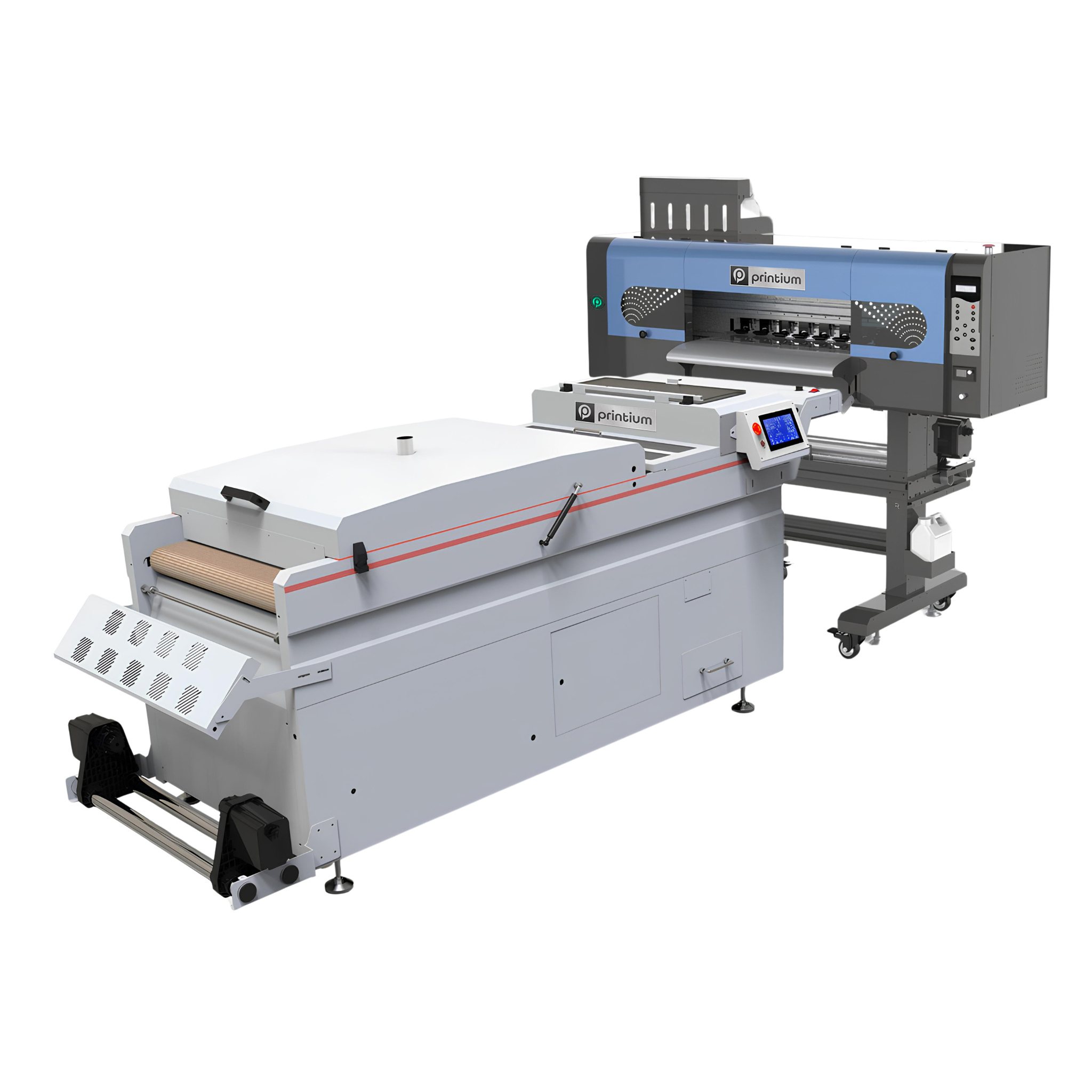
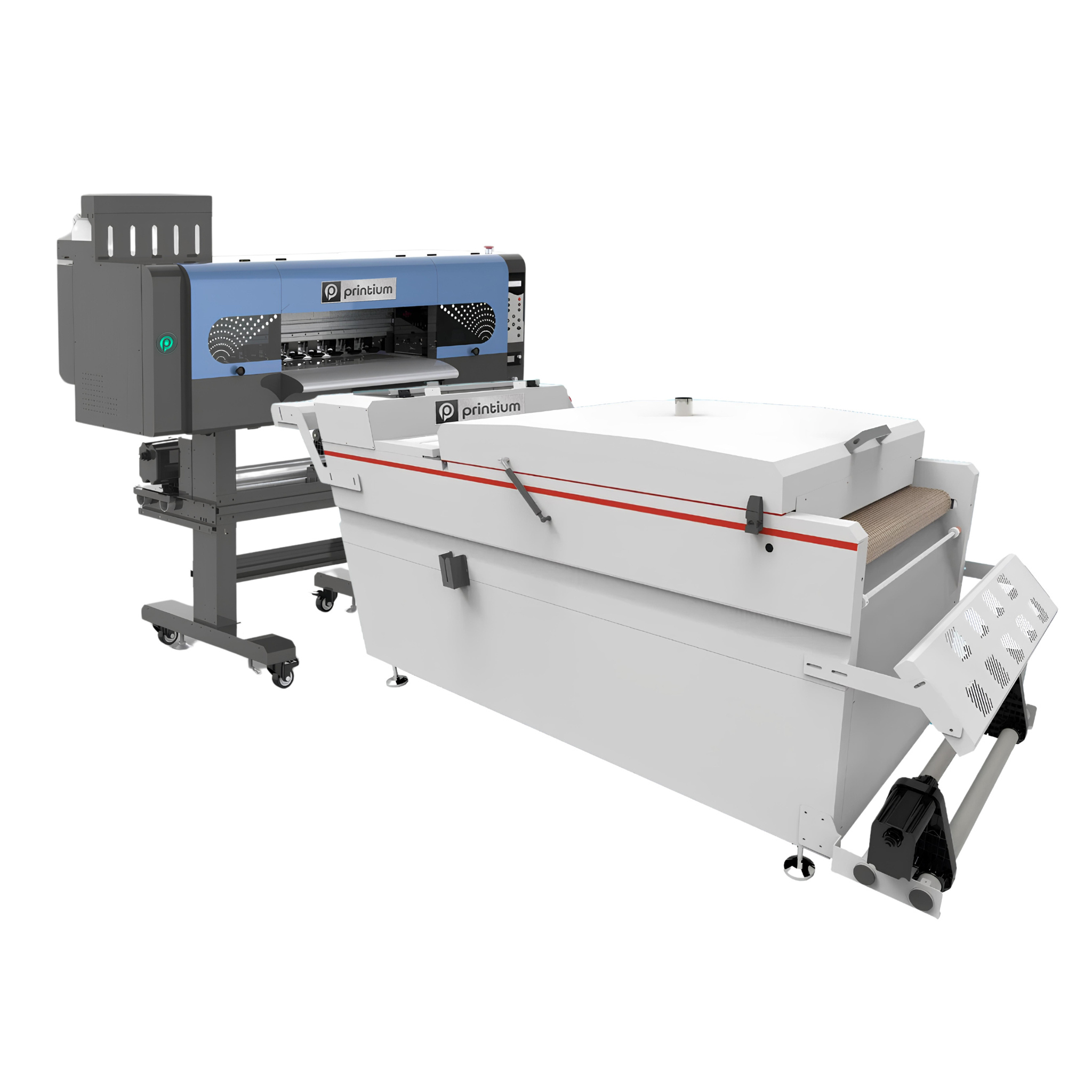
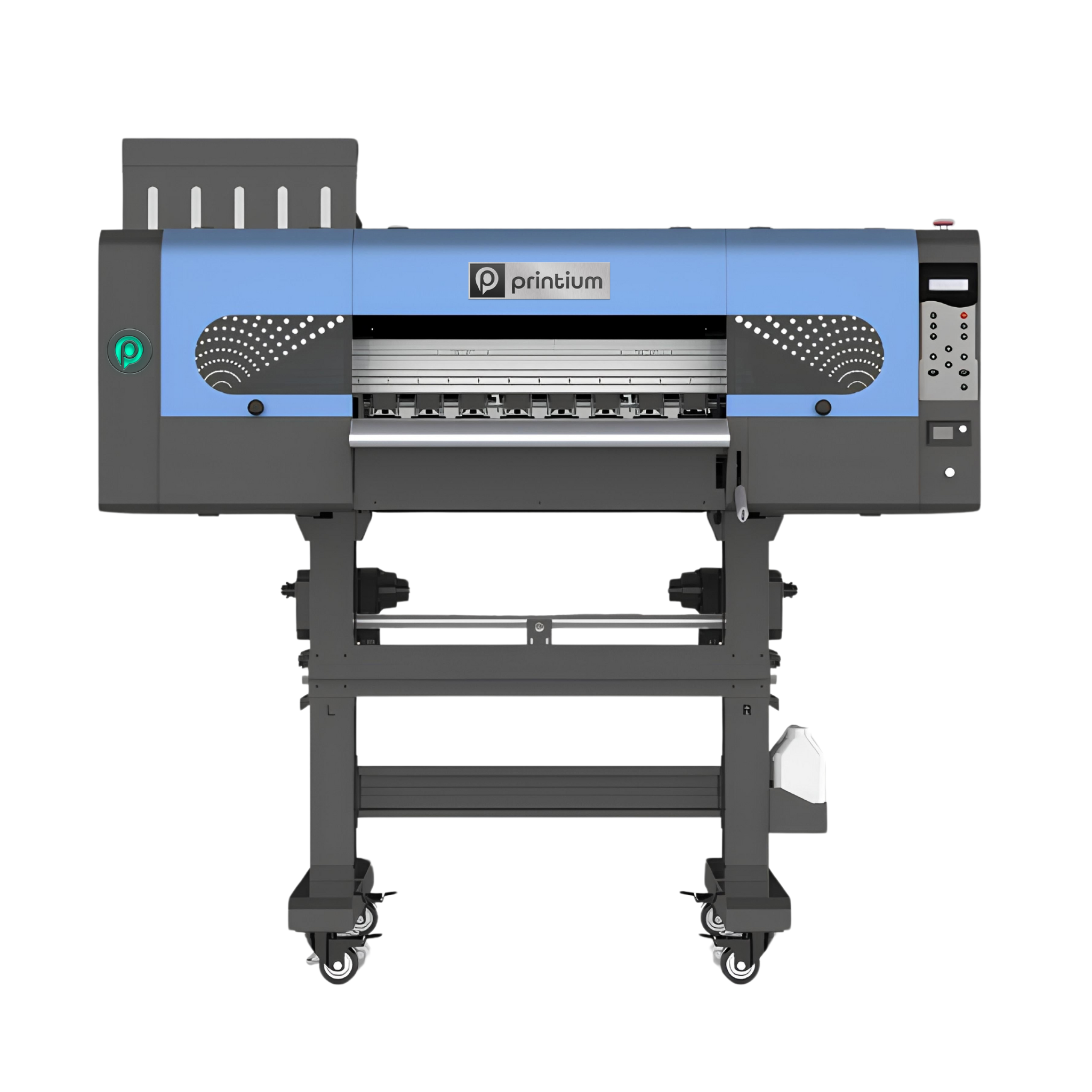
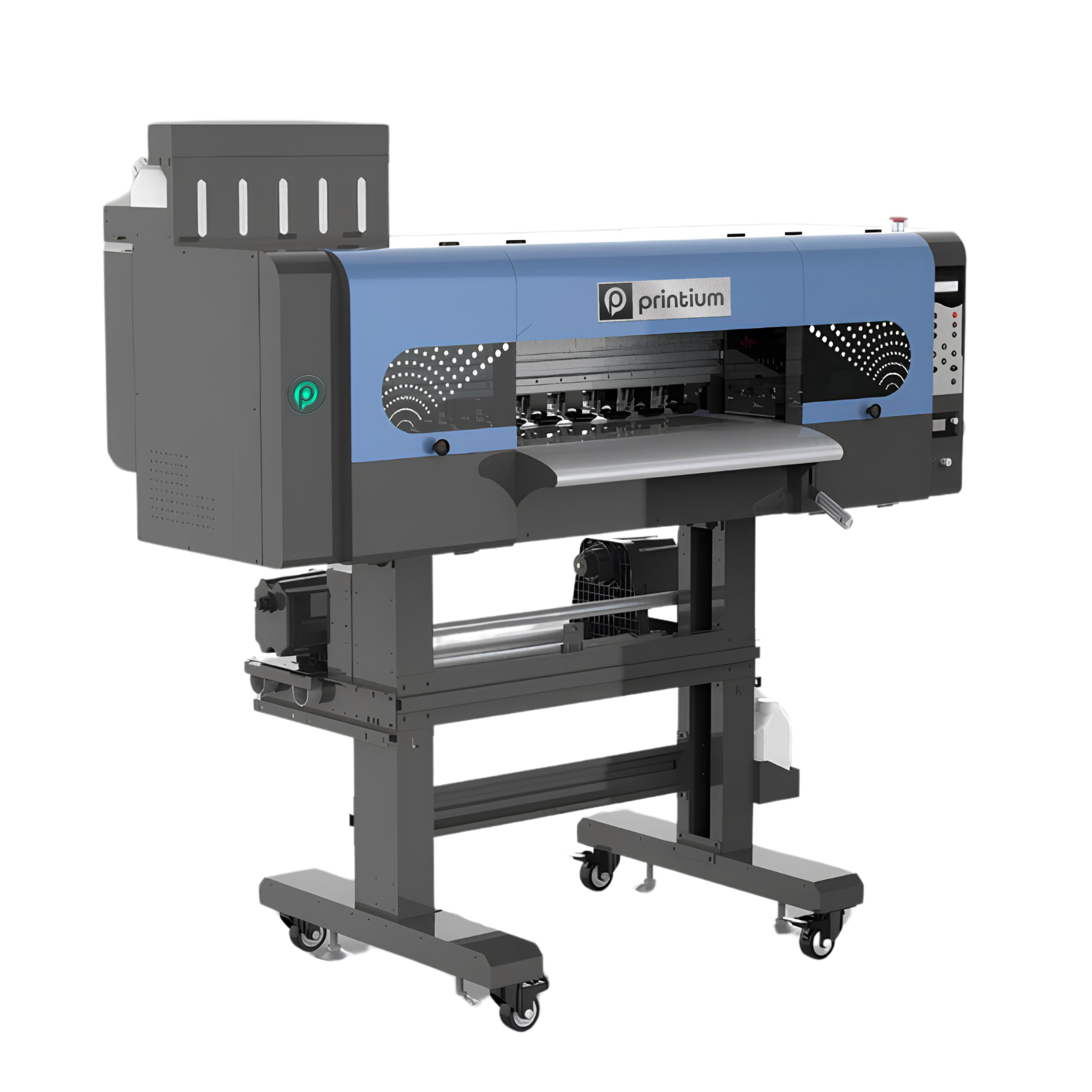
You’ll need a Direct to Film printer, PET film rolls, Direct to Film inks, adhesive powder, and a heat press for final transfer.
After printing and powder application, cure the film with a heat tunnel or hover press until powder melts evenly.
Align the cured transfer on the garment, apply heat and pressure, then peel at the recommended temperature.
Each step must follow correct time, pressure, and temperature values for perfect adhesion and soft finish.
Direct to Film print transfers allow rapid batch production with consistent quality across garments of all sizes.
Storage and Handling Best Practices
Keep cured Direct to Film print transfers in a clean, dry, and flat container away from heat and direct sunlight.
Do not roll film tightly, as it may curl or cause print separation from the transfer surface.
Label each sheet with design name, client, and press settings to improve workflow during large orders.
Avoid stacking warm transfers immediately after curing to prevent sticking or ink smudging.
Proper handling increases shelf life and maintains transfer integrity for future use.
Cost Efficiency and Business Scalability
Direct to Film print transfers reduce per-unit cost by enabling multiple designs on one film and faster processing.
Unlike screen printing, there’s no cleanup, reclaiming, or downtime between color changes.
This method supports lean production strategies by printing on demand without overstock or material waste.
You can fulfill bulk orders, rush jobs, or custom pieces from home or a small studio.
DTF print transfers empower businesses to serve both niche and mass markets profitably.
DTF print transfers offer unmatched print quality, flexibility, and scalability for modern garment decorators.
They support sharp imagery, diverse fabrics, and professional results with minimal equipment or labor.
Businesses benefit from fast turnaround, low waste, and customer satisfaction with vibrant, durable prints.
This technique allows rapid response to trends and personalization requests without sacrificing quality.
By mastering DTF print transfers, creators can unlock a new level of creativity and commercial success.