Digital Textile Printing
Filter
Sort by:
Description
Digital Textile Printing: The Future of Fabric Design
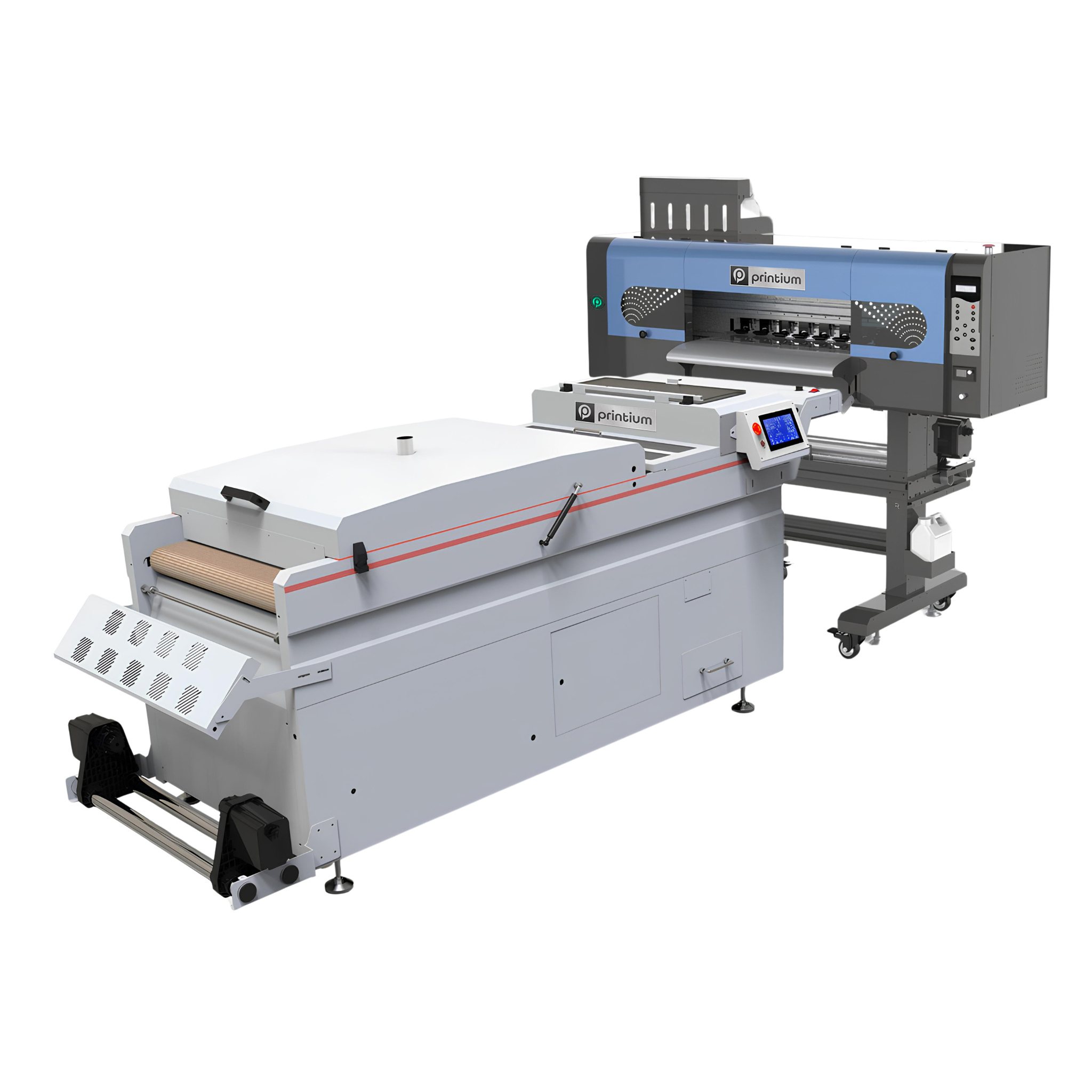
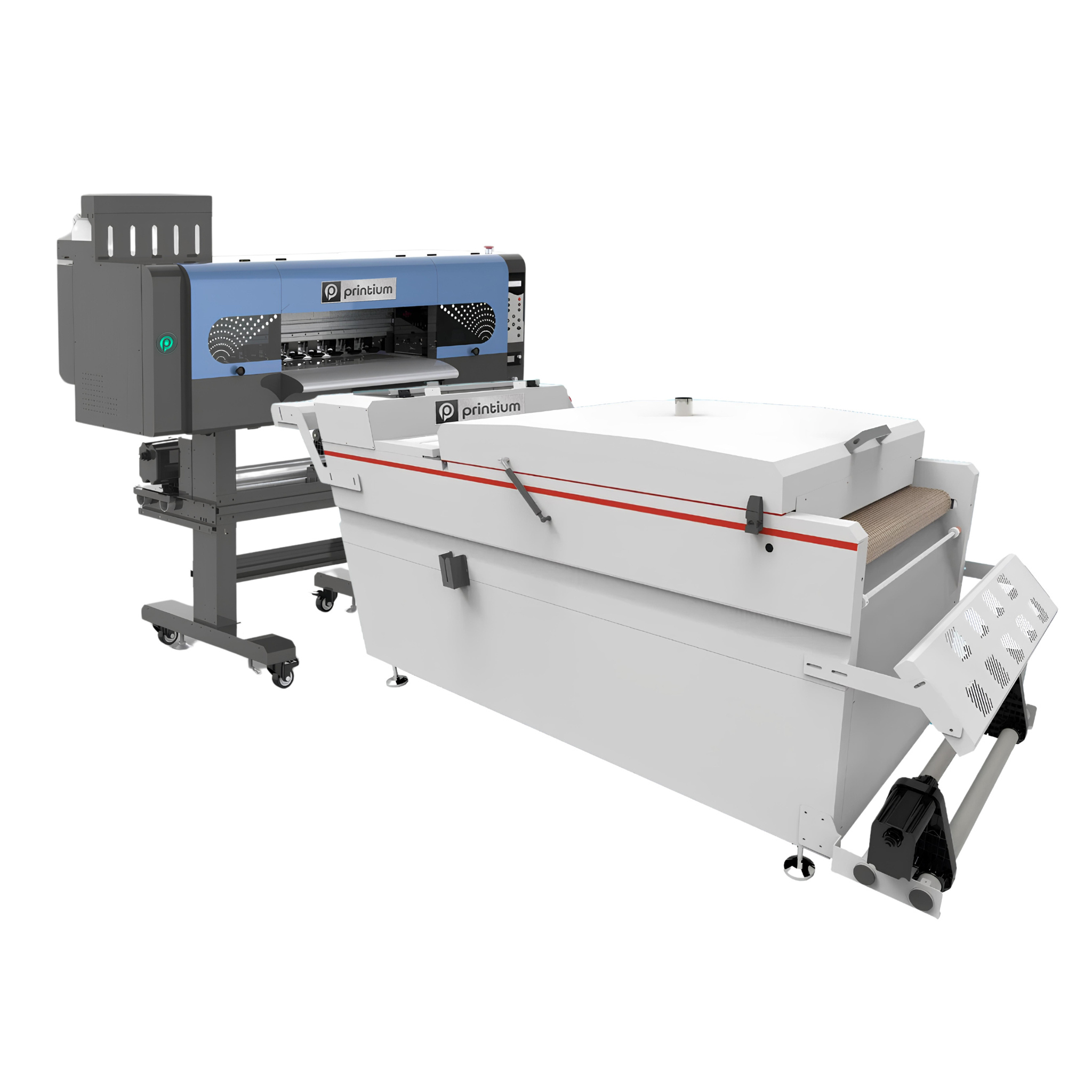
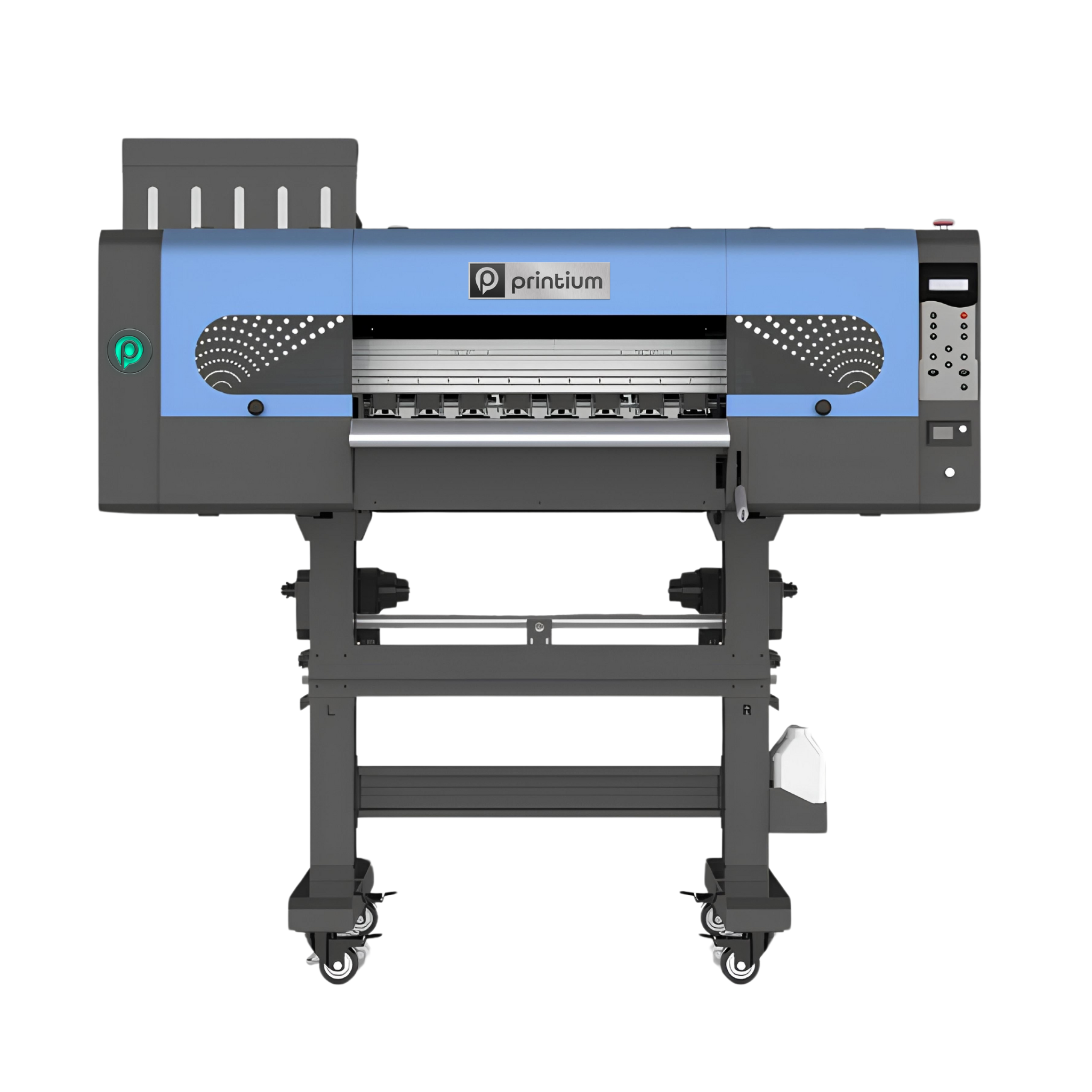
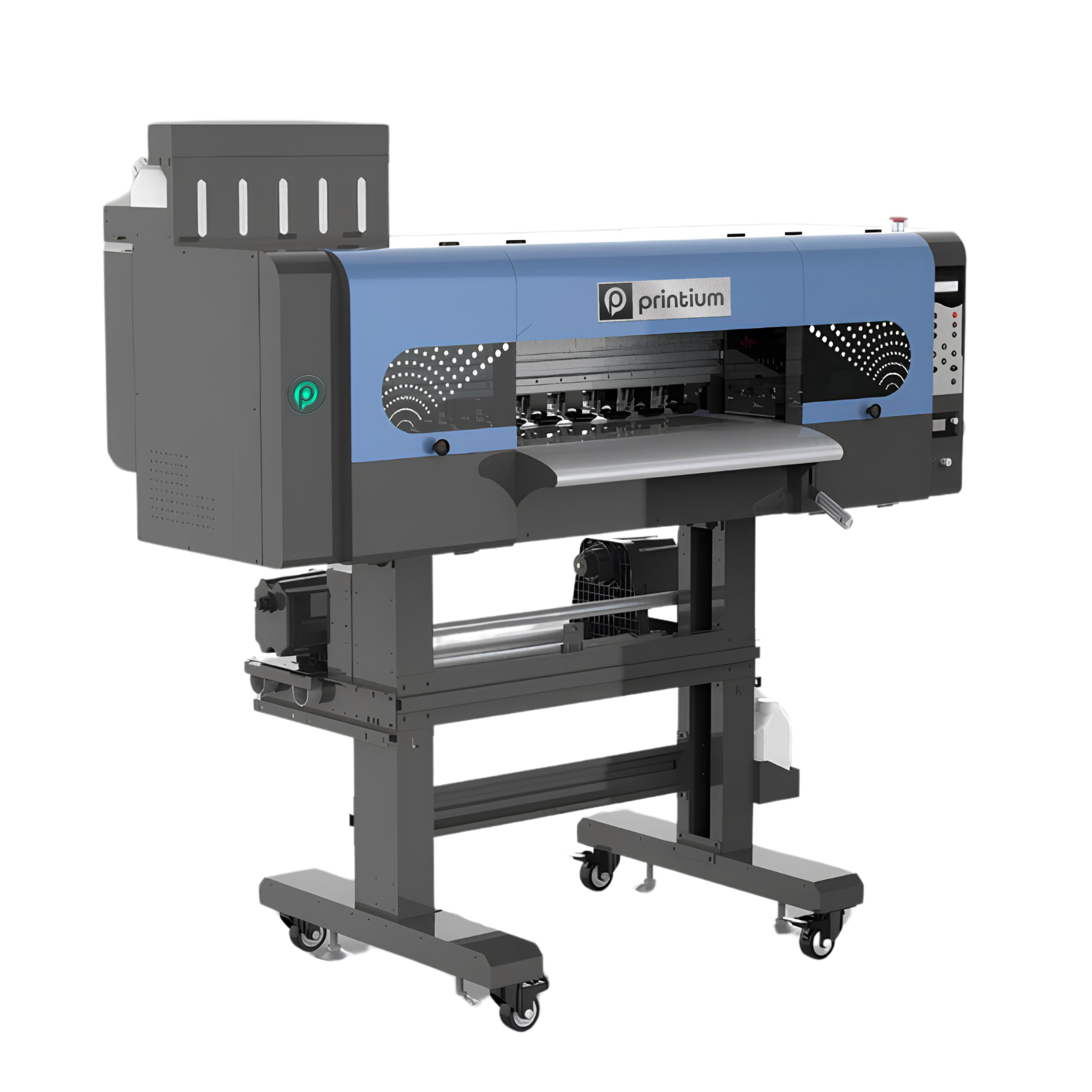
Digital textile printing has changed the way fabrics are printed, offering enhanced flexibility and superior quality. It is a modern solution for creating vibrant, detailed designs on textiles. With digital printing technology, designers can achieve intricate prints without the constraints of traditional methods. This technique uses digital files, allowing for faster production times and the ability to print complex designs with ease.
It involves spraying ink onto the fabric, creating a design directly from a digital file. This eliminates the need for screens or plates, unlike traditional printing methods. The process allows for greater accuracy and flexibility, ensuring that even the most intricate designs are reproduced with high precision.
Benefits of Digital Textile Printing
Traditional textile printing methods can be time-consuming and costly, especially for smaller runs. Digital printing, on the other hand, allows for short-run printing, meaning you can produce small quantities without excessive cost. It’s a perfect solution for custom designs or limited-edition prints.
Another benefit is the ability to print complex designs that may be difficult or impossible with traditional methods. Digital printing enables designers to incorporate gradients, fine details, and color blends that add depth and interest to fabric designs. This gives designers more freedom to create unique prints that stand out.
Versatility in Fabric Choices
Whether it’s cotton, silk, polyester, or blends, this method works on a wide range of materials. Designers have the freedom to explore different fabric textures and finishes, expanding their creative possibilities. It’s a solution that fits a variety of industries, from fashion to home décor.
Eco-Friendly Printing
One of the standout features of digital textile printing is its environmental impact. Traditional textile printing methods consume large amounts of water and chemicals. Digital printing, however, uses water-based inks and requires significantly less water during the production process. The precision of digital printing also reduces waste, making it a more sustainable option for manufacturers.
Additionally, digital printing allows for on-demand production, meaning there is less need for overstock and excess inventory. This further reduces waste and ensures that only the needed quantities of fabric are printed.
Faster Turnaround Times
Digital textile printing offers fast production times. Traditional methods may require long setup processes, including creating screens and mixing inks. With digital printing, the process is streamlined, allowing for quicker turnaround times. This is ideal for businesses that need to meet tight deadlines or fulfill custom orders quickly.
The speed of digital textile printing also makes it a cost-effective solution for smaller runs. As there are no setup costs for screens or plates, the cost of printing a small batch is significantly lower compared to traditional methods.
High-Quality Prints
One of the primary reasons designers prefer digital textile printing is the high quality of prints it delivers. The technology ensures that designs are sharp, clear, and vibrant. Digital printing also allows for a wide color gamut, meaning designers can use a broader spectrum of colors to achieve the exact shades they want.
Moreover, digital prints are highly durable. The inks used are designed to last, ensuring that the prints maintain their quality even after repeated washes. This durability is crucial, especially in industries like fashion and home textiles, where the fabric's longevity is important.
Quality and Durability of Prints
The prints produced by this method are known for their high quality and durability. The inks used are designed to be long-lasting, ensuring that prints remain vibrant even after multiple washes. This level of durability is crucial in industries like fashion, where the longevity of designs is important to consumers. Moreover, because the printing process is more precise than traditional methods, the prints maintain clarity and sharpness, even with fine lines and intricate details.
Customization and Personalization Opportunities
This modern technique offers incredible opportunities for customization. It allows for the creation of personalized items, whether for individuals or businesses looking for unique promotional products. The ability to print detailed and one-off designs means that each item can be tailored to the specific needs of the customer. This level of personalization is invaluable for designers and small businesses, offering a unique selling point in the market.
The customization possibilities also extend to creating limited-edition products. Designers can print smaller quantities of specific designs, reducing the need for mass production while still offering unique products to their customers.
Cost-Effective for Small and Large Runs
Traditionally, producing small runs of printed textiles could be expensive, as the cost of screens and plates added up. Modern printing technology has eliminated this barrier, making it cost-effective even for low-volume orders. Small businesses and independent designers can now print custom designs without the financial burden of traditional printing techniques. Similarly, large-scale manufacturers can benefit from the efficiency and cost savings of this method, especially when producing large quantities of high-quality products.
The Future of Textile Printing
As technology continues to evolve, the future of textile printing looks promising. Advances in ink formulations, printing techniques, and fabric compatibility will continue to improve the speed, quality, and versatility of this process. It’s likely that we will see even more sustainable and efficient methods of printing emerge, further enhancing the benefits of this modern approach to fabric printing.