Printer Cleaning Supplies

Filter
Product categories
Availability
0 selected
Price
Price:
$
-
$

Sort by:

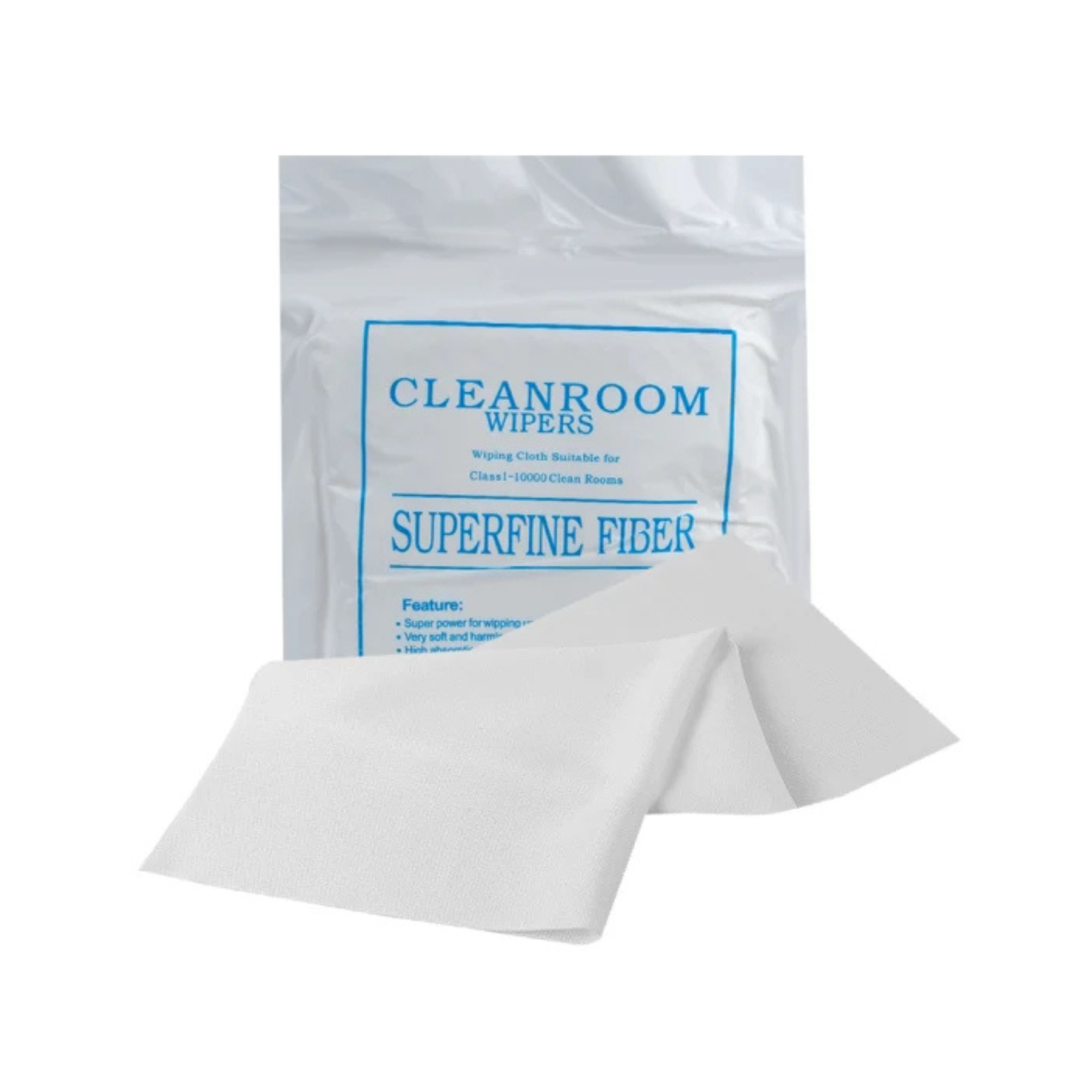
Printhead Wiping Cloths 9x9 - 100 Pack
Add to Wishlist
Printhead Wiping Cloths 9x9 - 100 Pack
Sale price $16.49
Local Pickup & Shipping
UV DTF Cleaning Solution 1 Liter
Add to Wishlist
UV DTF Cleaning Solution 1 Liter
Sale price $88.00
Local Pickup & Shipping
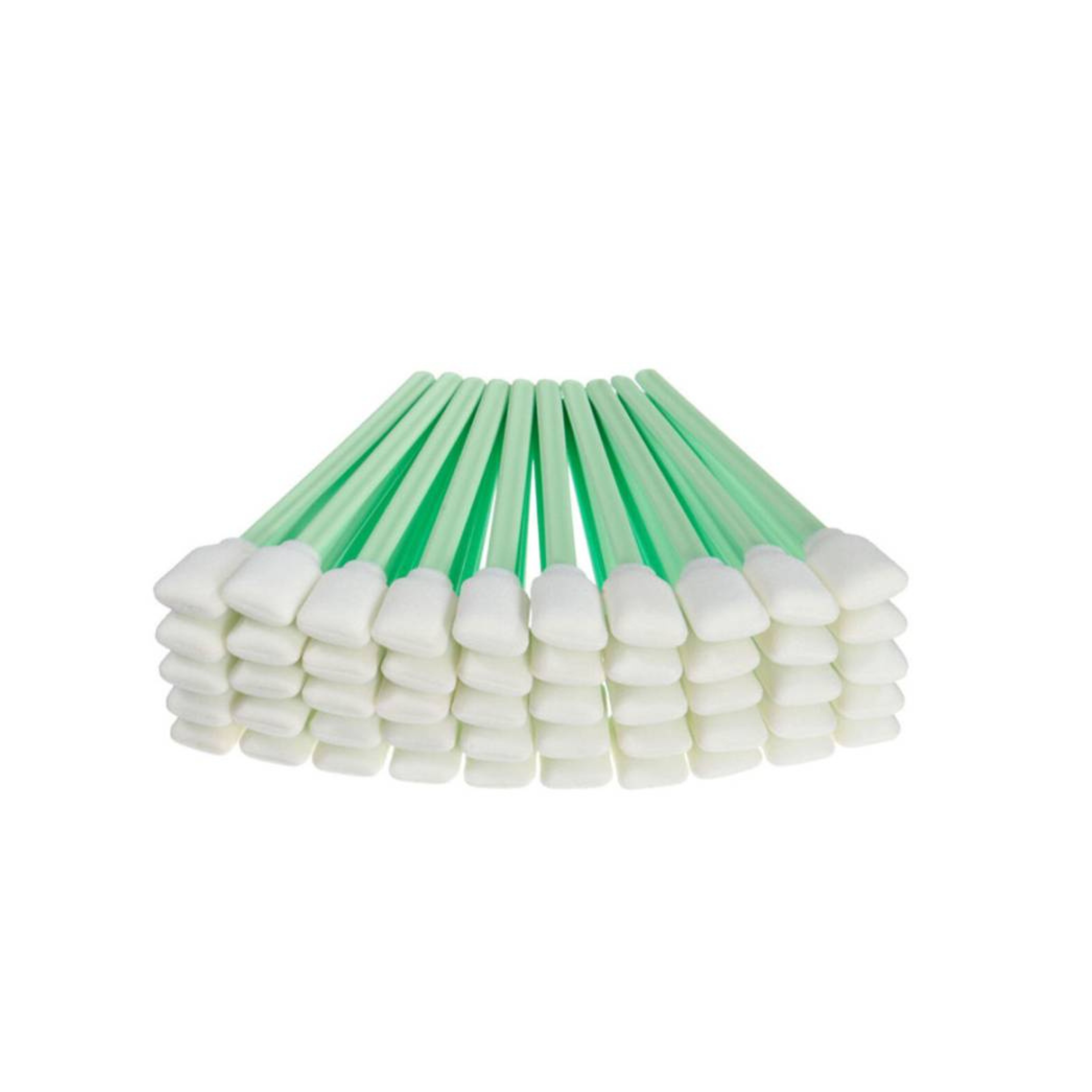
Printer Cleaning Foam Swabs - 50 Pack
Add to Wishlist
Printer Cleaning Foam Swabs - 50 Pack
Sale price $14.49
Local Pickup & Shipping
DTF Printhead Cleaning Solution 100 mlDTF Printhead Cleaning Solution 100 ml
Add to Wishlist
DTF Printhead Cleaning Solution 100 ml
Sale price $22.99
Local Pickup & Shipping

Printer Cleaning Supplies – Keep Your Prints Crisp & Your Printer Healthy!

Maintain top print quality with our premium Printer Cleaning Supplies! Specially designed to clean nozzles, printheads, and ink tubes, these tools help prevent clogging and ensure longer printer life. Ideal for DTF, DTG, sublimation, and inkjet printers, this all-in-one cleaning solution keeps your equipment running like new.

Removes ink residue & buildup
Safe for all printer components
Improves printhead performance
Extends printer life

Whether you're a professional print shop or a home-based creator, clean printers mean vibrant prints and fewer interruptions. Our cleaning kits include syringes, tubing, cleaning solution, and lint-free swabs—everything you need in one pack!

Are Printer Cleaning Supplies suitable for both home and professional use?

Yes, Printer Cleaning Supplies are designed to meet the needs of both casual users and professional printing setups. For home users, they offer an easy and cost-effective way to prevent common print issues such as streaks or faded colors. They’re straightforward to use, even without technical experience.

How often should a printer be cleaned to maintain high-quality performance?

Routine cleaning plays a vital role in ensuring your device operates smoothly and delivers consistently sharp results. If the machine is used regularly, it’s wise to clean it every two to four weeks. In environments where it's used heavily—such as print shops or small businesses—weekly maintenance might even be necessary.

Even if the printer is idle for a period, ink can dry and settle inside the nozzles or along the ink delivery system. This can lead to clogs that affect color accuracy and print sharpness. Dust, paper fibers, and residue can also accumulate over time, causing problems with alignment and feeding.

By keeping a consistent cleaning schedule, you not only avoid technical issues but also prolong the life of your machine. It becomes especially important in high-output settings, where even short downtime can affect productivity. Think of maintenance as preventive care—it saves time and money over the long term.

What are the warning signs that a printer needs cleaning?

There are several noticeable symptoms that signal when it's time for a thorough cleaning. One of the most obvious is a sudden drop in print quality. Streaks, faded areas, or missing colors in a design often point to clogged nozzles or uneven ink flow.

Another common sign is inconsistent or incorrect color reproduction. When specific colors appear muted or shift in tone, it could indicate that ink channels are blocked or misaligned. Sometimes, parts of a design or text may print with gaps or not appear at all.

Mechanical signs include strange noises during operation or extended print times. In many cases, the device is struggling to push ink through narrow passages or compensate for obstructions. Certain printers also feature built-in diagnostics or nozzle check functions, which can help detect such issues early.

Addressing these signs quickly helps prevent more serious problems, such as permanent damage to the printhead or other internal components. Visual checks combined with occasional test prints make it easier to catch and resolve problems before they escalate.

Can cleaning be done at home, or should it be left to a technician?

Cleaning tasks can absolutely be done at home, especially when the proper tools and methods are used. Most maintenance kits are designed for user-friendly application, including components like syringes, tubing, non-abrasive swabs, and specialized cleaning fluids. These are typically safe when used as directed and can handle most common clogs and residue issues.

Before starting, it’s important to read the device’s manual or look up official maintenance guidelines. Each model may have specific procedures or cautionary advice. Taking time to prepare and understanding the steps involved can prevent accidental damage.

There are also numerous step-by-step guides and video tutorials available online that walk users through the process. For simple blockages or regular upkeep, a patient and careful approach is usually all it takes.

Check Out Our Other Products
More information