HTV vs DTF
Filter
Sort by:
Description
HTV vs DTF in Modern Garment Printing
HTV vs DTF is a widely discussed comparison in custom apparel printing and textile decoration for small and large businesses.
Both methods involve transferring printed or cut designs onto fabric using heat, but their materials and workflows differ significantly.
HTV stands for Heat Transfer Vinyl, which requires cutting and weeding before pressing the design onto garments.
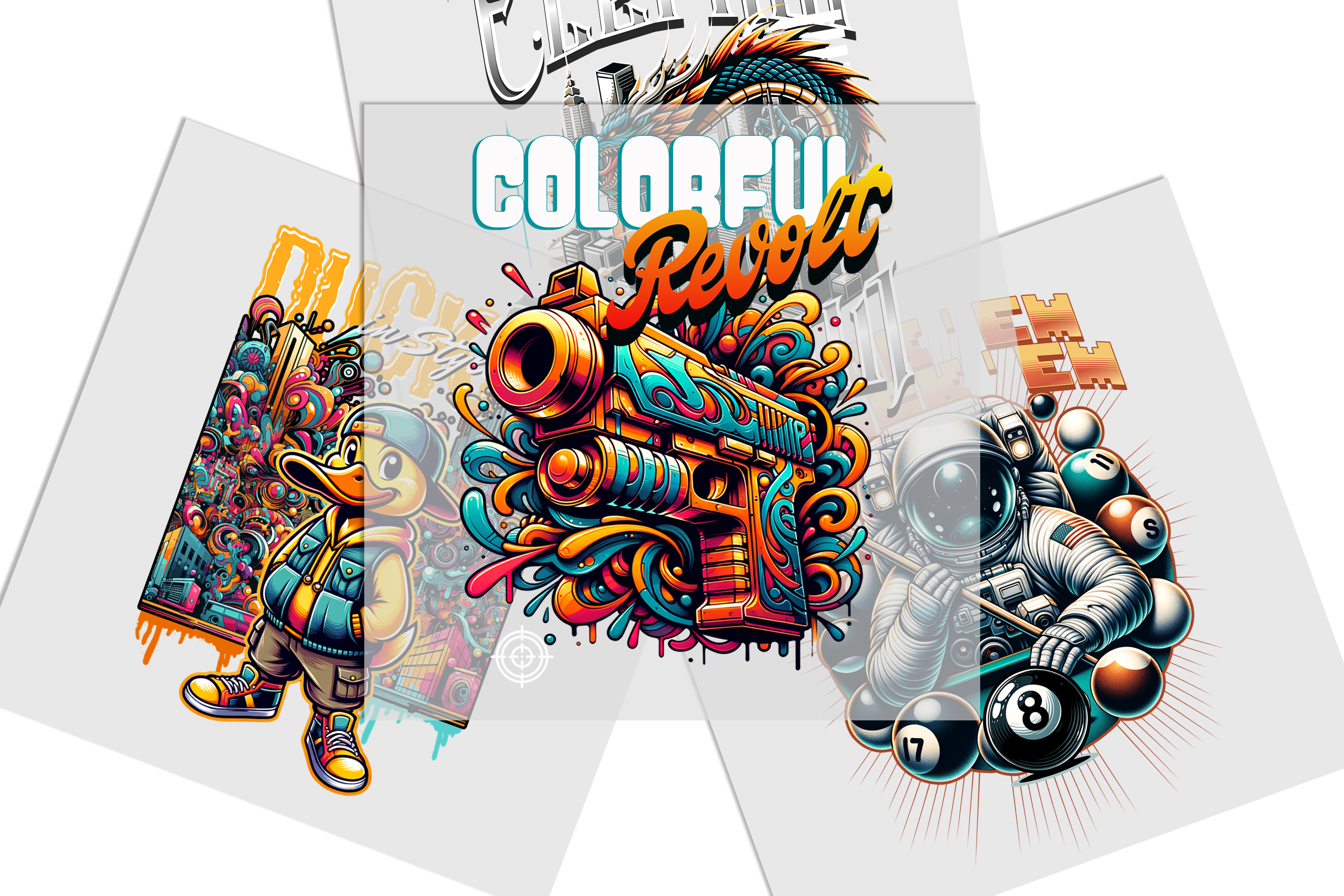
DTF, or Direct to Film, uses printed film coated with adhesive powder that bonds to fabric using heat and pressure.
Understanding the strengths and weaknesses of each helps creators choose the right process for their products and business goals.
Overview of HTV Printing Process
HTV uses colored vinyl sheets cut into shapes or letters using plotters or cutting machines before application.
The excess vinyl is removed manually in a process called weeding, which can be time-consuming for detailed or complex designs.
The vinyl is then heat-pressed onto fabric, bonding permanently with strong adhesion when applied under proper temperature and pressure.
HTV requires no printing ink, making it a popular choice for solid-color logos, names, and sports jersey applications.
It works best for simple, bold graphics on cotton or polyester and is widely used in craft markets and personalization shops.
Overview of DTF Printing Process
DTF uses digital printing to place full-color designs onto a PET film, including gradients, fine lines, and photographic details.
The design is coated with adhesive powder, cured using heat, and transferred onto garments using a standard heat press.
Unlike HTV, no cutting or weeding is required, saving time and improving consistency across production batches.
DTF prints adhere well to cotton, polyester, and blends, offering flexibility for diverse textile types and product categories.
It supports white ink, making it effective for dark fabric printing without any background color loss or distortion.
Design Complexity and Visual Capabilities
HTV is limited to solid colors and layered designs; it cannot support gradients or full photographic printing without complex setup.
Each color must be cut separately and aligned manually, which increases time and error potential for multi-color graphics.
DTF supports complex artwork including shadows, detailed illustrations, and photo-quality prints with no color limitation.
Because DTF is printed digitally, even highly customized or variable data designs are achievable with minimal preparation.
This makes DTF more suitable for detailed artwork, ecommerce fulfillment, and professional branding applications.
Production Speed and Efficiency
HTV involves manual steps like cutting and weeding, which can slow down the process, especially for high-quantity orders.
Errors during cutting or alignment often require rework, increasing material waste and reducing workflow efficiency.
DTF speeds up production by eliminating manual prep and allowing bulk transfers to be pressed quickly and repeatedly.
Decals can be printed in advance, stored, and applied as needed, improving time-to-delivery for fast-paced retail operations.
In high-demand environments, dtf vs htv clearly shows DTF as the more scalable option for automation and growth.
Material Cost and Setup Investment
HTV materials are relatively inexpensive, and setup only requires a cutter, vinyl, and heat press to begin production.
It is an affordable entry point for hobbyists or small businesses offering local personalization or one-off products.
DTF requires more upfront investment, including a specialized printer, ink system, powder applicator, and curing station.
Though more expensive, DTF offers better long-term returns for businesses producing frequent orders or running online stores.
Choosing between htv vs dtf often depends on available budget, output volume, and growth expectations over time.
Durability and Wash Performance
HTV creates a solid, rubber-like layer on garments that resists cracking and fading under proper washing conditions.
However, it may peel or wrinkle over time if applied incorrectly or subjected to high-stress conditions like drying cycles.
DTF creates a flexible bond that feels softer on fabric and often lasts longer after repeated washing and stretching.
Its ink-and-powder combination embeds into fibers more naturally, enhancing durability and wearer comfort at the same time.
Durability differences between htv vs dtf often appear after multiple washes, where DTF maintains design clarity better.
Use Case Recommendations
HTV is ideal for simple designs, one-color prints, team names, sportswear, or local craft personalization services.
It’s portable, affordable, and reliable for home-based setups or mobile printing events with limited tools or space.
DTF excels in ecommerce, streetwear brands, full-color artwork, or scalable fulfillment environments where automation matters.
If consistent quality, fast turnaround, and full design flexibility are priorities, DTF offers a stronger foundation for growth.
Business owners comparing htv vs dtf should weigh their design needs, order volume, and long-term scalability before choosing.
Conclusion and Decision Guidance
HTV and DTF both serve valuable roles in the garment decoration industry depending on the context and application requirements.
HTV is affordable, clean, and suited to basic personalization with minimum technical setup or overhead costs.
DTF provides complex design ability, higher speed, and scalability for business models that demand versatility and volume.
Your decision in htv vs dtf should reflect your current production needs, target market, budget, and long-term expansion strategy.
Whichever path you choose, both methods can deliver excellent results with the right tools, technique, and creativity.